It’s a question that’s crossed the minds of many of us who’ve fallen in love with the swift strikes and fluid movements of this ancient martial art.
For those not familiar, Wing Chun is all about efficiency.
It’s like the minimalist art form of self-defense, emphasizing close-range combat and using your opponent’s energy against them. And man, does it look cool when executed with finesse!
But then there’s MMA, the ultimate battleground where fighters of different disciplines come together to test their skills. You’ve got your kickboxers, grapplers, Brazilian Jiu-Jitsu masters… the list goes on. Yet, where’s Wing Chun in all this mix?
In this article, we’re diving deep into the curious case of why Wing Chun isn’t exactly the belle of the ball in MMA circles. So, buckle up, grab your favorite cup of tea, and let’s unravel this mystery together.
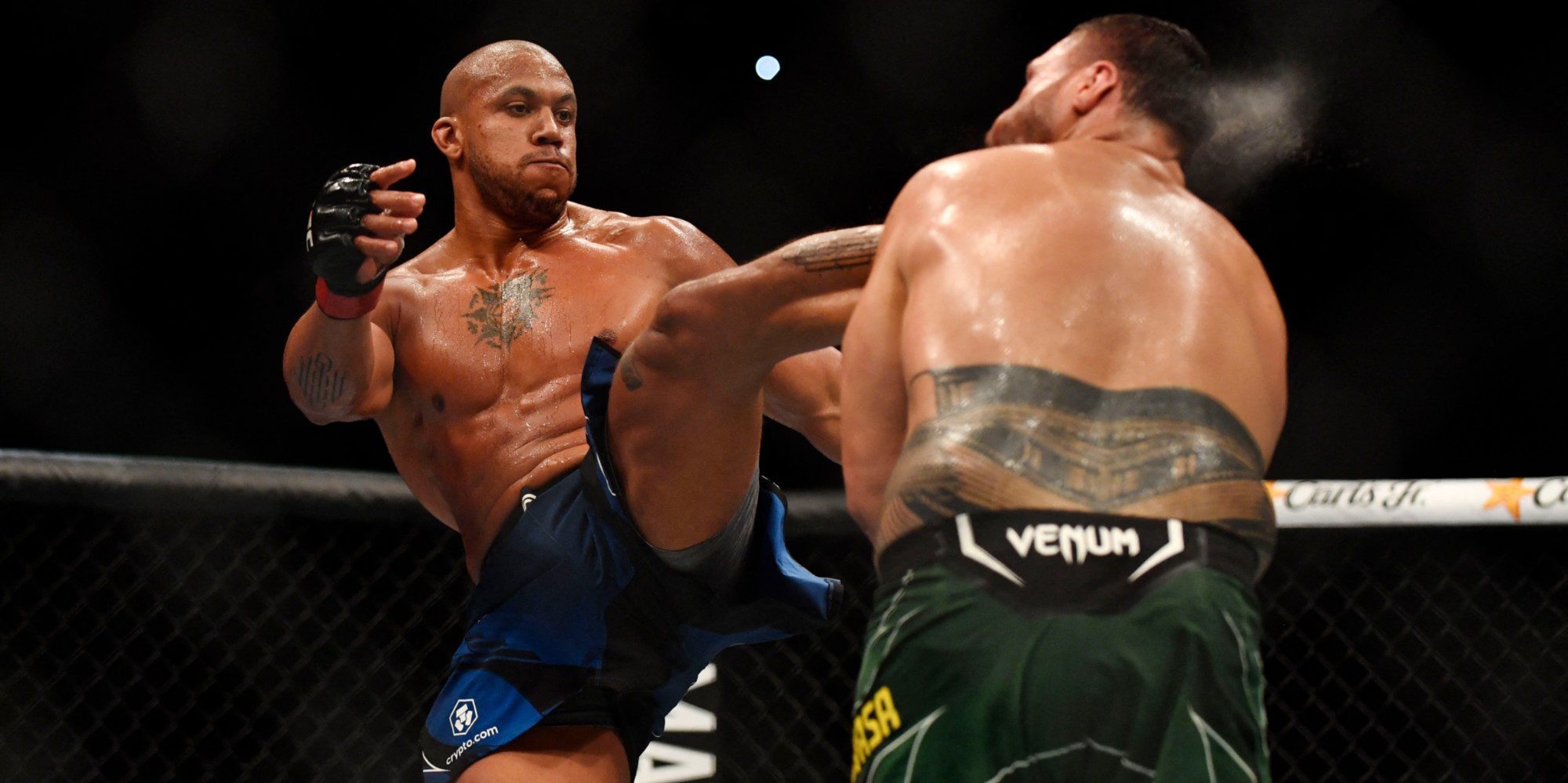
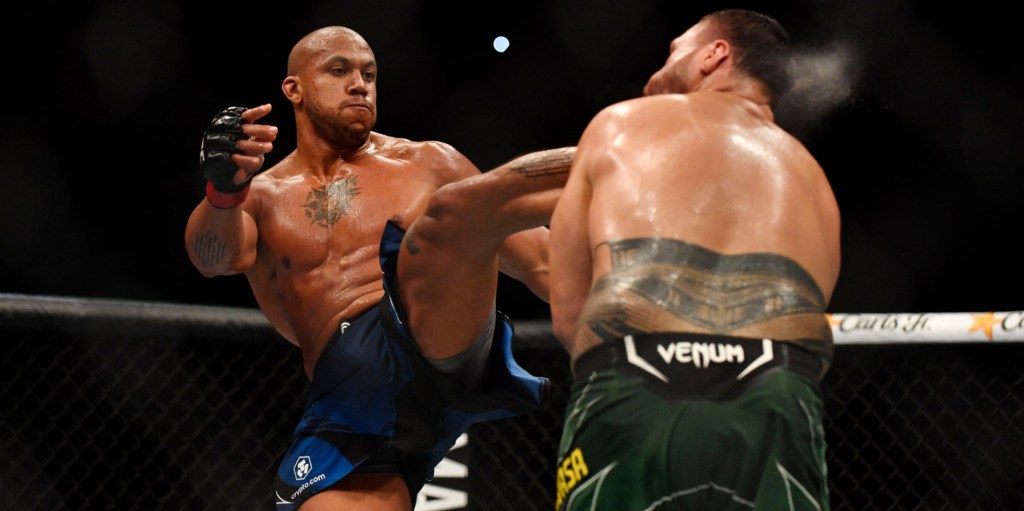
Understanding MMA: The Ultimate Combat Playground
Alright, before we delve into the nitty-gritty of why Wing Chun seems to be on the sidelines in the MMA arena, let’s first get a lay of the land.
MMA, short for Mixed Martial Arts, isn’t just a sport; it’s a spectacle, a symphony of skill, strength, and strategy.
Picture this: fighters from different backgrounds stepping into a cage, ready to throw down using a mix of striking, grappling, and everything in between. It’s like a martial arts buffet where no discipline is off the table.
But hey, it’s not all about throwing haymakers and grappling for dear life. MMA has rules, lots of them.
From what strikes you can throw to when and how you can take someone down, there’s a whole rulebook dedicated to keeping things fair and, well, not too brutal.

Now, here’s where things get interesting. While MMA is all about versatility and adaptability, not all martial arts are created equal when it comes to transitioning into the cage.
That’s where Wing Chun finds itself in a bit of a pickle.
In the world of MMA, fighters need to be well-rounded. They need to excel both on their feet and on the ground.
And while Wing Chun is an absolute beast in close-quarters combat, its focus on striking and trapping might leave practitioners feeling a bit exposed when the fight hits the mat.
So, as we peel back the layers of this MMA onion, keep in mind that it’s not about dissing Wing Chun—it’s about understanding why it might not be the go-to choice for fighters stepping into the octagon.

Why Wing Chun is Not Typically Seen in MMA
MMA has its fair share of regulations, and some aspects of Wing Chun, like eye pokes or strikes to the throat, are big no-nos in the octagon.
So, even if a Wing Chun practitioner wanted to throw down, they’d have to play by a whole new set of rules.
But hey, it’s not all doom and gloom. While Wing Chun might not be a common sight in MMA circles, that doesn’t mean it’s worthless. Far from it!
In fact, many fighters borrow elements from Wing Chun to bolster their stand-up game and add some flair to their striking repertoire.
So, while Wing Chun might not be taking home the gold in MMA anytime soon, its principles and techniques still hold plenty of value for those willing to think outside the box.
Limitations of Wing Chun in MMA

When the fight hits the ground, Wing Chun’s effectiveness takes a bit of a nosedive.
Sure, it has techniques for close-range combat, but when you’re tangled up on the mat with a Brazilian Jiu-Jitsu black belt, those techniques might not cut it.
And let’s not forget about the clinch game. MMA fighters love to get up close and personal, using the clinch to control their opponents and set up devastating strikes or takedowns.
While Wing Chun has some tricks up its sleeve for close-quarters combat, it might struggle to deal with the relentless pressure of a skilled clinch fighter.
Whether it’s cross-training in grappling arts like Brazilian Jiu-Jitsu or adding some Muay Thai kicks to their arsenal, there are ways to bridge the gap between Wing Chun and MMA if you look hard enough and have to discipline to learn.
Always keep an open mind, every style has its strengths and its weaknesses too. and by EVERY style, i mean every style.
Examples of Wing Chun Practitioners in MMA
Let’s spice things up a bit and talk about some real-life examples of Wing Chun making its mark in the MMA scene.
While it might not be as common as, say, Brazilian Jiu-Jitsu or Muay Thai, there are still fighters out there who’ve incorporated elements of Wing Chun into their game plan.
Anderson Silva

One name that often comes up in these discussions is Anderson Silva. That’s right, the Spider himself has been known to dabble in the ways of Wing Chun.
While he’s primarily known for his striking prowess and slick Muay Thai skills, Silva has credited Wing Chun as a source of inspiration for his unorthodox style and fluid movement.
Cung Le
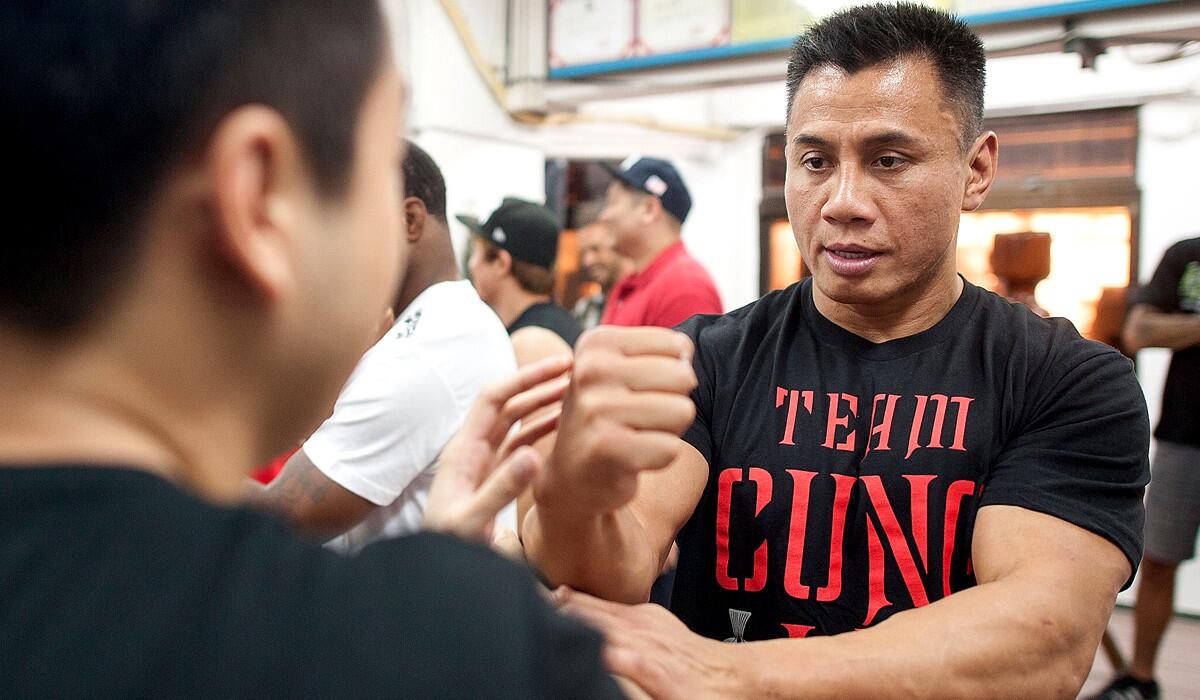
Then there’s Cung Le, a former Strikeforce Middleweight Champion and UFC fighter who’s been known to bust out some Wing Chun techniques in the cage.
With his lightning-fast hands and deceptive footwork, Le has shown that Wing Chun can hold its own in the world of MMA.
Conor McGregor
And let’s not forget about Conor McGregor. While he’s not a traditional Wing Chun practitioner by any means, McGregor has been known to incorporate elements of Wing Chun into his striking game. With his quick hands and knack for finding openings, McGregor’s style shares some similarities with the principles of Wing Chun.
These examples go to show that while Wing Chun might not be the dominant force in MMA, its influence can still be felt in the techniques and strategies of fighters at the highest level.
Conclusion: Embracing the Fusion of Wing Chun and MMA
And there you have it, folks! We’ve journeyed through the intricate dance between Wing Chun and MMA, unraveling the mysteries behind why this ancient martial art isn’t as prevalent in the cage as we might expect.
While Wing Chun may not be the star of the show in the world of MMA, it’s clear that its principles and techniques still hold value for fighters and enthusiasts alike. From its focus on efficiency and economy of motion to its lightning-fast strikes and fluid movements, Wing Chun brings a unique flavor to the table that can’t be ignored.
But let’s not forget the importance of adaptability. MMA is a constantly evolving sport, and fighters need to be willing to adapt and evolve along with it. While Wing Chun might have its limitations in certain aspects of MMA, there’s always room for innovation and exploration.
So, whether you’re a die-hard Wing Chun practitioner or just someone with a passing interest in martial arts, remember this: it’s not about which style reigns supreme, but rather about the journey of self-discovery and growth that comes with training and competing in combat sports.

With that said, let’s raise a toast to the fusion of Wing Chun and MMA, two worlds colliding in a beautiful symphony of skill, strategy, and sheer determination. Who knows what the future holds? Perhaps we’ll see a new generation of fighters who blend the best of both worlds, creating a martial arts masterpiece unlike anything we’ve ever seen before.
Until then, keep training, keep exploring, and never stop chasing your dreams both inside and outside the cage.
This concludes our exploration of why Wing Chun isn’t more prevalent in MMA. Thank you for joining us on this journey, and until next time, keep fighting the good fight!
Recommended Articles
 Provide & Protect
Leave a comment