In this article, let’s delve into the psychological aspects of Wing Chun, exploring how mastering this martial art goes beyond punches and kicks to cultivate a profound sense of confidence and mental fortitude.
Building a Foundation of Self-Assurance:
Imagine the first time a novice stands in the Wing Chun stance, a posture that symbolizes readiness and strength. Beyond the physical benefits, this stance is a foundation for building inner confidence.
As practitioners learn to hold their ground and move with purpose, they lay the groundwork for a resilient mindset that extends far beyond the training floor.
Mastering the Mind-Body Connection:
In the world of Wing Chun, the mind and body are not separate entities but collaborators in a symphony of movement. Picture a practitioner executing techniques with precision, each motion guided by focused intent.
This mind-body connection becomes a powerful tool for building confidence – knowing that your thoughts and actions are aligned fosters a sense of control and assurance.
Adapting to Challenges:
Wing Chun is not just about executing flawless techniques; it’s about adapting in the face of challenges. Envision a scenario where a practitioner faces an unexpected move from their sparring partner.
The ability to adapt, pivot, and respond with confidence is a psychological skill honed through Wing Chun training. This adaptability becomes a metaphor for life, instilling the belief that challenges are opportunities for growth.
Cultivating Focus and Presence:
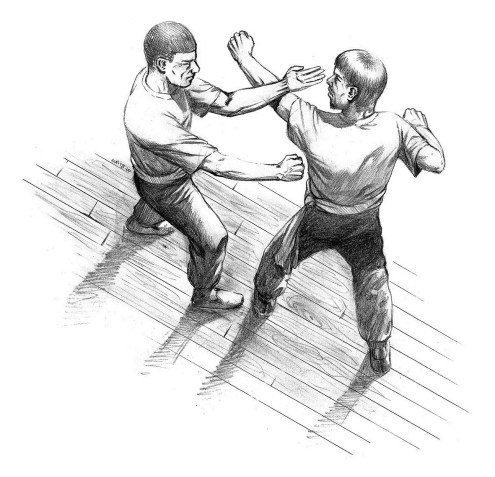
Picture a Wing Chun practitioner engaged in Chi Sao, the practice of “sticky hands” that enhances sensitivity and reflexes. In this close-quarters dance, focus is paramount.
The ability to stay present, read the opponent’s intentions, and respond decisively creates a mental resilience that extends beyond the training floor. This cultivated focus becomes a cornerstone for confidence in everyday situations.
Learning from Failure:
In Wing Chun, as in life, not every technique will land perfectly. Imagine a student missing a strike during a drill or sparring session. Instead of viewing it as a failure, Wing Chun encourages practitioners to see it as an opportunity to learn and improve.
This mindset shift, from fearing failure to embracing it as a stepping stone, fosters a resilient attitude that contributes significantly to confidence.
The Empowerment of Self-Defense Skills:
Now, picture the moment a Wing Chun practitioner realizes they have the skills to defend themselves effectively. This realization is a game-changer for confidence.
Knowing that you can protect yourself in various situations fosters a sense of empowerment that extends into all aspects of life. Wing Chun becomes not just a physical shield but a psychological anchor, bolstering the belief in one’s ability to navigate the world.
Building Trust in the Process:
As a Wing Chun practitioner progresses, they learn to trust the process of learning and mastery. Picture the gradual improvement in techniques, the increasing fluidity of movements, and the growing understanding of Wing Chun principles.
This trust in the journey cultivates a deep-seated confidence that goes beyond the training floor, influencing how practitioners approach challenges in their personal and professional lives.
In conclusion, the scene painted by Wing Chun is one where confidence is not just a byproduct; it’s an integral part of the canvas. Beyond physical prowess, Wing Chun cultivates a psychological landscape of self-assurance, adaptability, focus, resilience, and empowerment.
It becomes a journey of building confidence, stroke by stroke, until practitioners stand tall not only in their stances but also in their belief in themselves.
Wing Chun is not just a martial art; it’s a psychological sanctuary where confidence is both the masterpiece and the artist.
Recommended Articles:
 Provide & Protect
Leave a comment