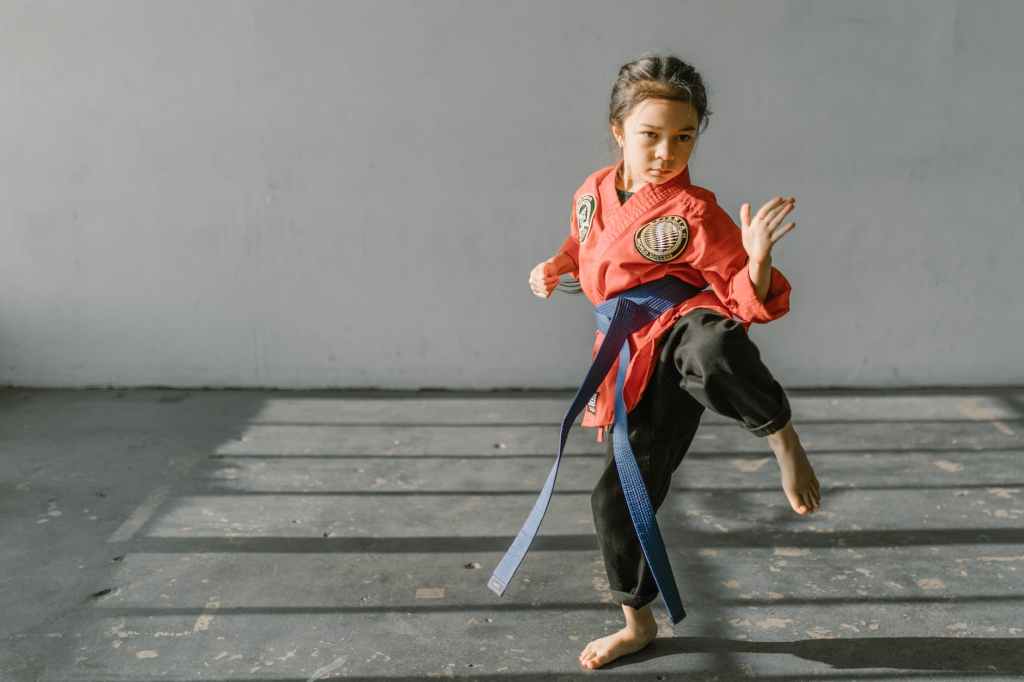
5 Reasons Why Parents Should Learn Martial Arts With Their Children
In the whirlwind of modern life, parents often find themselves pulled in countless directions.
Between work, household responsibilities, and the day-to-day hustle, finding quality time to spend with your children can feel like an increasingly rare and precious commodity.
Amidst the chaos, there’s an extraordinary opportunity that’s often overlooked: learning martial arts alongside your children.
At first glance, adding martial arts to your already packed schedule might seem daunting.
However, the numerous benefits that stem from practicing martial arts together as a family are well worth the effort.
So, let’s delve into five compelling reasons why parents should roll up their sleeves and join their kids in martial arts training.
1. Bonding Time Like No Other
In an era characterized by constant digital distractions, quality bonding time with your children is more precious than ever.
Learning martial arts together creates a unique bonding experience that transcends the run-of-the-mill family activities.
In the dojo, you share the highs and lows, the sweat and the effort, and the moments of achievement.
The shared journey becomes a treasured memory for both you and your child.
It’s an opportunity to strengthen your connection in a setting that encourages trust, teamwork, and shared goals.
2. Leading by Example
Children often look up to their parents as role models.
By engaging in martial arts, you set a positive example of an active and healthy lifestyle.
You’re demonstrating the importance of discipline, dedication, and the pursuit of personal growth.
When your children see you working hard to achieve your martial arts goals, they’re likely to adopt a similar mindset in their own pursuits.
This powerful lesson goes beyond martial arts and applies to all aspects of life, teaching them the value of determination and perseverance.
3. Building Confidence Together
Martial arts is renowned for its ability to boost self-confidence in practitioners of all ages.
The process of learning new skills, earning belts, and mastering techniques can be a significant self-esteem booster.
By training alongside your children, you not only get to witness their growth and share in their successes, but you also become an essential part of their support system.
This boosts their confidence and provides them with a profound sense of pride in having you as their training partner.
4. Strengthening the Parent-Child Connection
Martial arts training is not solely about physical skills; it’s also a journey of character development and instilling core values.
It emphasizes respect, self-discipline, and effective communication. As you both navigate the challenges of martial arts training, you’ll develop a deeper understanding of each other.
The mutual respect and shared experiences help to strengthen the parent-child connection.
You’ll have opportunities to mentor, encourage, and learn from each other, fostering a deeper level of empathy and trust.
5. A Family That Stays Active Together
In an age when sedentary lifestyles are increasingly common, staying active as a family is a precious gift.
Martial arts training keeps everyone moving, improving physical fitness, agility, and flexibility.
It’s not just about physical exercise; it’s a fun way to release energy, reduce stress, and enhance overall health.
The shared physical activity fosters a sense of unity and reinforces the idea that health and well-being are family priorities.
Final Thoughts
The decision to learn martial arts with your children isn’t solely about self-defense; it’s about creating a stronger, more connected family.
It’s about instilling values, boosting confidence, and leading by example.
If you’ve ever considered joining your child on the martial arts journey, now is the perfect time to step onto the dojo floor.
In the world of martial arts, the family that kicks together truly sticks together.
It’s not just about the physical skills you acquire; it’s about the lasting memories you create and the bonds you strengthen.
Related Article:
 Provide & Protect
Leave a comment